AidScaler · PRODUCT VISION & MEASURED RESULTS
AidScaler.Google Cloud ↗

AidScaler · DISASTER RESPONSE

When disaster strikes,
Gemini connects the response.

Turn scattered signals into coordinated help. Make more time to protect lives.

Gemini×Google CloudWhy this mattersCONCEPT ILLUSTRATION

THE PROBLEM · DOCUMENTED EVENTS

Help is not the same
as help reaching people.

Real emergencies.
Different gaps in the response.
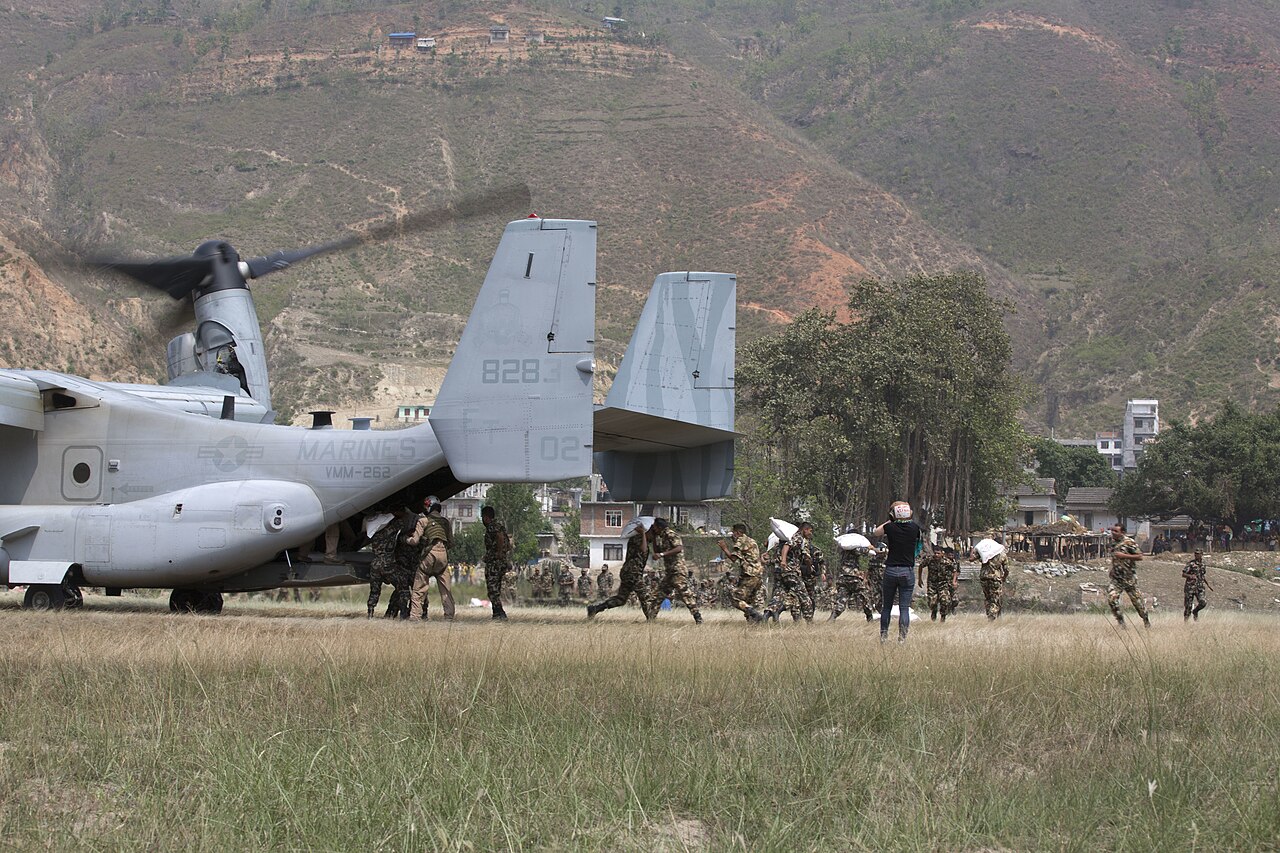
Nepalese personnel carry relief supplies from an aircraft in Manthali, Nepal.
Relief supplies in Manthali, Nepal · 8 May 2015
Nepal · Earthquake · 2015

Help was ready.
Still waiting for approval.

Maiti Nepal's founder described seeking approval from three government ministries for donated medicine and mats. VOA reported repeated trips for clearance signatures as relief supplies piled up at the airport.

Read the report · VOA · 2 May 2015
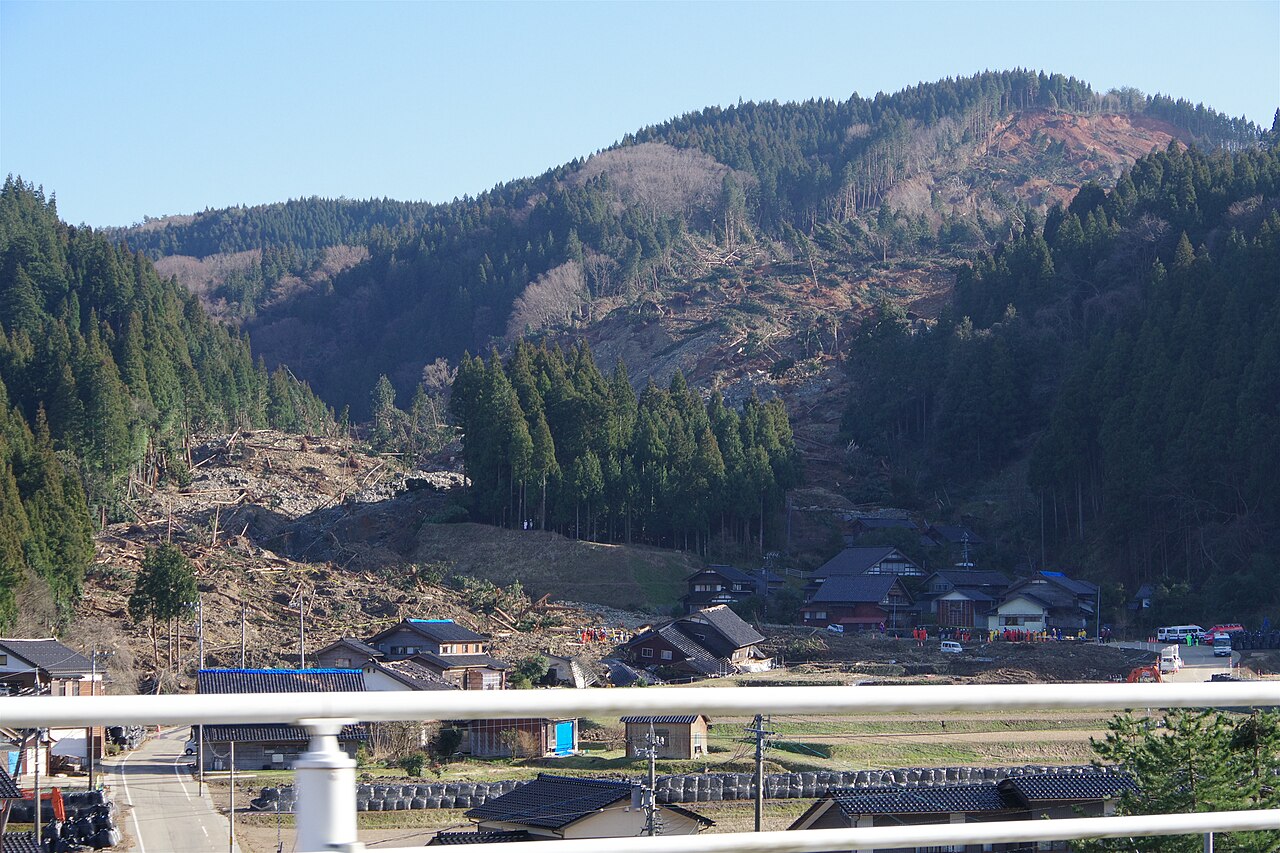
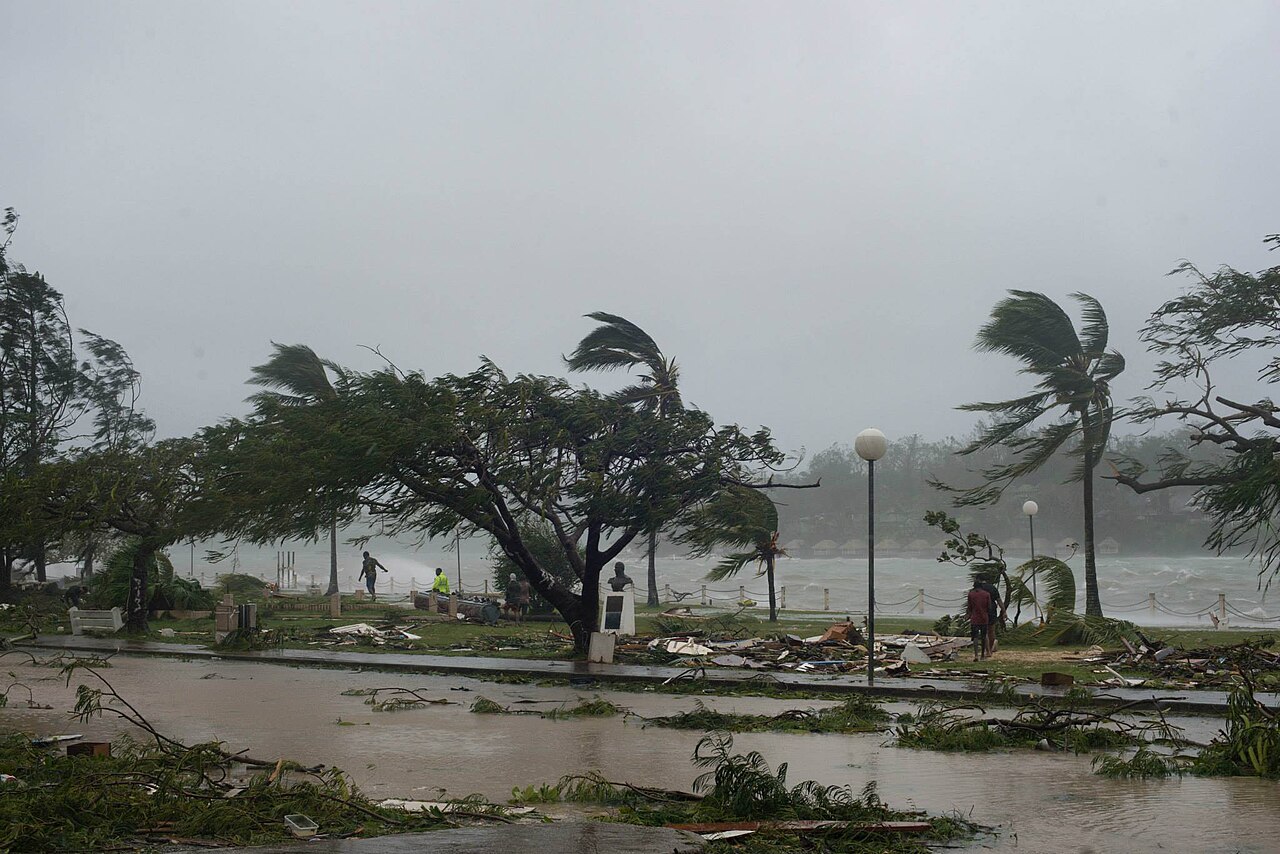
Historical reporting, with photographs from each event. AidScaler was not used in these responses.

MEET AidScaler · YOUR RESPONSE PLATFORM

Your response team.
One shared workspace.

An AI-native disaster response platform for NGOs, emergency services and public response teams. Gemini connects scattered public information with your team's resources—so you can see what is needed and coordinate how to help.

Gemini×Designed for Google Cloud
AidScaler.Your organization / Operations
FLOOD RESPONSE · NEEDS REVIEW

Los Sauces needs water.

300 people at a shelter.
A request scattered across several sources.

Gemini found a way to help.Supplies and transport across three teams.
Explore this response

01 — WHEN A DISASTER SPEAKS IN FRAGMENTS

One emergency.
Thousands of scattered signals.

A post. A voice note. A radio bulletin. Gemini connects the clues while the situation changes.

REGIONAL FLOOD · FICTIONAL SCENARIO05 / 30 SIGNALS
SOCIAL · NEWS · FIELD TEAMS · OFFICIAL REPORTS
GeminiConnect.
Cross-check.
FROM NOISE TO A USEFUL LEAD
30 AUTHORED SIGNALS · NO LIVE MODEL

A community’s voice.
The start of a response.

30 signals here. Thousands at once is the ambition.
Every finding keeps its source.
Read all 30 example signals +

    02 — ONE DISCOVERY INSIDE A LARGER EMERGENCY

    300 people.
    Two hours of water left.

    It is 10:00. A shelter requests 600 litres by noon.
    No organization has the full answer. A clue in another operation changes what is possible.

    FICTIONAL CASE · quantities and deadlines are defined for this story.
    FLOOD RESPONSE · LOS SAUCESTHE GOAL 600 L by 12:00
    01 / 06 · LOCATE

    INCOMING INFORMATION
    GEMINI INVESTIGATES
    Gemini
    WHAT CHANGES FOR THE SHELTER
    Scroll to follow the discovery
    AUTHORED SEQUENCE · NO LIVE MODEL

    That was one discovery.
    Now imagine a hundred, in parallel.

    THE AMBITION · A REGION-WIDE RESPONSE

    Different emergencies.
    The same intelligence, at scale.

    An illustration of many cases across a response network. Measured performance appears in section 04.

    More than a faster inbox.

    03 — A RESPONSE THAT CAN ADAPT

    The situation changes.
    Gemini revisits the plan.

    Explore one change. See what needs attention—and what can safely keep moving.

    AUTHORED SCENARIOS · NO LIVE GEMINIThe proposal changes. People keep control.

    04 — MEASURED IMPACT

    Less waiting.
    The same resources.

    Earlier authorization. Earlier delivery. Less work to coordinate it all.

    24 of 24 needs covered.By both methods. AidScaler reduced the average wait.
    THE SAME EMERGENCY. A FASTER RESPONSE.KEEP SCROLLING ↓
    01 / 03Same resources · all 24 needs covered

    Simulated with Disaster Response Simulator

    Paired simulation · 13 Oct 2026 · 24 needs per method · AidScaler model: Gemma 4 31B.

    A CLOSER LOOK · FOOD SUPPLIES

    Food needs covered
    33.58 minutes sooner.

    Average wait across 8 food needs. Both methods delivered all 164 required portions.

    65.63%less waiting for food

    Conventional 51.16 minAidScaler 17.59 min

    05 — NOT EVERY NEED MAKES NOISE

    Thousands of signals.
    One absence worth noticing.

    Gemini looks for missing coverage and conflicting accounts. Priority comes from need, not popularity.

    “No contact
    with Bajo Monte
    since 09:10.”

    GEMINI FLAGS AN UNKNOWNCheck through another channel.
    Silence can be a reason to investigate.FICTIONAL SOURCES · SILENCE DOES NOT CONFIRM AN EMERGENCY
    01A community stops posting.+

    Reports stop in an area that was previously active. Gemini cross-checks connectivity notices and nearby field reports.

    GEMINI’S ROLESuggest a check. Do not assume the community is safe—or invent a new emergency.
    02One shelter has three different names.+

    “The school”, “Los Sauces” and “the building beside the sports field” may describe the same place. Gemini connects the references with field reports.

    GEMINI’S ROLEConfirm the match before merging requests. Three descriptions should not become three duplicate needs.
    03The closest resource cannot do the job alone.+

    One organization has supplies, another has transport, a third knows the local access conditions. That information lives in separate documents, voice notes and inventories.

    GEMINI’S ROLEInvestigate a workable combination. Tools check constraints; people approve commitments.

    ILLUSTRATIVE USE CASES · explore measured response results in section 04.

    06 — A PUBLIC PORTAL THAT BUILDS TRUST

    See the need.
    Follow the help.

    Support the response from anywhere. See what is needed, what is moving and what has arrived.

    A. Flood response Alba BasinLATER IN THIS EMERGENCY · EXAMPLE
    WHERE YOUR SUPPORT CAN HELP

    Contributions support a shared response fund.

    FICTIONAL CASES & FIGURES · NO DONATIONS ACCEPTED

    Real progress, made understandable.
    Gemini drafts the update. The organization reviews and publishes.

    Trust grows when
    progress can be checked.

    THE BIGGER PICTURE

    One emergency.
    A fragmented picture.

    Needs surface across social posts, videos and news. Each team sees only part of the situation.

    An organization, responding with the information it can connect.CONCEPT ILLUSTRATION
    NOT A MEASURED COMPARISON
    What changes when AidScaler instances connect?

    One organization already gets the full intelligence layer. Approved public and social sources feed AidScaler through connectors, alongside its internal tools and local reports. Gemini relates posts, videos, news and operational data; groups duplicates; flags contradictions; and investigates needs and response options. A team does not have to enter every signal by hand. Source access depends on available APIs, permissions and agreements.

    The network adds shared possibilities, not just more dots on a map. One team may detect a need, another may have the local knowledge to verify it, and another may hold the missing capacity. Connected instances exchange the evidence, availability and commitments they are allowed to share. Gemini can investigate combinations that no organization could see on its own, without counting the same resource twice.

    Each organization stays in control. People authorize their contributions. If an offer is withdrawn or new evidence changes a need, affected teams receive the update and can reconsider the joint response. More connections do not guarantee more impact; the simulator must test whether useful cooperation improves outcomes with the same total resources. This map illustrates the intended capability, not a validated result.

    07 — DESIGNED FOR GOOGLE CLOUD

    Gemini connects the clues.
    Google Cloud powers the response.

    Built around the demands of an emergency: surging reports, changing priorities and teams working together.

    PROPOSED ARCHITECTURE · NOT YET DEPLOYED
    INTELLIGENCE

    Gemini

    Interprets signals and investigates options.

    ACCESS & EXPERIENCE

    Firebase

    Team sign-in and web experiences.

    EXECUTION

    Cloud Run

    Agents and connectors that scale with demand.

    SHARED CONTEXT

    Pub/Sub +
    Cloud SQL

    Share changes. Preserve commitments.

    Explore the proposed architecture +

    Firebase Authentication for team sign-in; organization permissions enforced in services. Firebase Hosting for the operational interface and public portal.

    Cloud Run for services with configurable scaling and concurrency. Pub/Sub for events. Cloud SQL for PostgreSQL for persistent state. Cloud Storage for evidence and documents.

    Retries, quotas, reservations, access controls and change reconciliation still need implementation. Scale must be tested alongside latency and cost.

    FOR YOUR ORGANIZATION’S TECHNICAL TEAM

    Your instance.
    Your team in control.

    Deploy the services, connect approved sources and choose what to share. Start with one organization. Connect when you are ready.

    Concept: one-click deployment after project, billing and permissions setup.
    This button explains the flow. It does not create resources.

    THE FUTURE WE WANT TO BUILD

    Gemini discovers and helps verify humanitarian responses that no organization could build alone.

    Find help that was hidden in the noise.
    Make more time to protect lives.

    Explore the results ↗
    Explore the product vision. See the measured response.
    Built to give response teams more time to help.

    A closer look.

    What is AidScaler, and who is it for?

    An AI-native operations platform for NGOs, emergency services and public response teams. It brings scattered reports, resources and decisions into one workspace during floods, earthquakes and other emergencies. Each organization keeps control of its resources and can connect with other teams.

    How can the public take part?

    Through a public portal: see current needs, support the responsible organization and follow collective progress. Contributions would support a shared response fund, rather than reserve a specific item. Organizations review what is published and protect sensitive information. This concept site does not accept donations.

    Who makes the decisions?

    The people responsible for the operation. Gemini investigates options and presents evidence, conditions and open questions. AidScaler would record who approved each commitment and what they knew at the time. A proposal does not move resources without authorization.

    What does Gemini add beyond extracting data?

    It can connect clues that were never expressed as an offer of help. “We are driving back empty” might reveal transport capacity. Gemini would investigate the schedule, load, access and existing commitments before presenting an option. Gemini interprets and investigates. Tools calculate constraints. People authorize the response.

    Could rules or an optimizer do this too?

    They handle an important part of it: quantities, reservations, known constraints and routing. We want to test whether Gemini can discover useful relationships in unfamiliar, messy information and choose what to verify next. We will compare rules and planning, Gemini extraction with planning, and Gemini investigation with the same planning tools. Section 04 shows the measured comparison of the complete AidScaler workflow against the conventional method.

    What about rumors, conflicting reports and missing data?

    Keep the source, date and validity of each claim. Group reposts instead of counting them as independent witnesses. Separate a hypothesis from a confirmation. Flag an inconsistency without declaring it false. A community with no posts still needs attention. Silence does not prove safety.

    How would AidScaler work with LogIE, IFRC GO or existing tools?

    AidScaler is designed to work alongside the systems response teams already use. Logistics sources could provide access conditions; internal tools could provide stock and commitments. Gemini would connect that context with scattered reports and other organizations.

    Connectors are planned, not implemented. Each depends on available APIs, permissions and data agreements. No partnership is implied.

    LogIE documentation ↗ · About IFRC GO ↗

    What data comes in, and what goes out?

    Inputs could include continuous streams from approved social and public sources: posts, videos, news and community updates, alongside field reports, documents, inventories and access restrictions. Connected sources would feed the platform automatically; manual reports are another input, not a prerequisite for every signal. Outputs could include evidence-backed incidents, proposals, changes and approved commitments. Connectors may be read-only. Writes must respect permissions, prevent duplicates and leave an audit trail. Another organization only exposes what it has agreed to share.

    Is one organization enough to get started?

    Yes. One instance helps a team interpret its sources, discover options and prepare decisions. Connected organizations can combine complementary capabilities to make a response possible that none could deliver alone. Each retains control of its data and commitments. We will test this with the same total resources, measuring cooperation separately from Gemini.

    What has AidScaler achieved?

    The platform has been built and tested with a working disaster-response simulator. In the recorded comparison, AidScaler reduced the average wait to authorize help by 30.49%, the average wait for sufficient aid by 20.59%, and recorded human workload by 93.48%. Both approaches fully covered 24 of 24 needs.

    The interactive stories on this page illustrate the product experience. Section 04 presents the measured results.

    How were the results measured?

    On 13 October 2026, we compared a conventional workflow with AidScaler in two worlds using the same seed, resources, permissions and physical rules. Each had 24 needs: eight for water, eight for food and eight for blankets.

    The conventional workflow models people reading, checking, deciding and relaying instructions, with explicit staffing and task durations. AidScaler processes the available information and coordinates its response within the same physical environment.

    Every need has a recorded timeline: appearance, authorization, pickup, departure, arrival and receipt. Response times are averaged across all 24 needs; staff time is summed across the recorded tasks. Percentage reductions compare AidScaler directly with the conventional workflow.

    What makes the simulator operationally realistic?

    Information takes time to arrive. The world separates what happens from what teams can observe. Public posts, reposts, background noise, delayed formal reports and human processing queues create a changing information picture.

    Resources have physical constraints. Stock is finite. Vehicles must become available, receive instructions, travel to pickup, load, follow roads and unload. The engine supports traffic queues, road restrictions, fuel, connectivity loss and communication retries.

    Help counts when it is received. Authorizing a shipment, reaching a destination and delivering the required quantity are separate events. The recorded comparison follows those events through to sufficient receipt. A shared seed and versioned configuration make comparisons repeatable.

    Which model powered the measured run?

    Gemma 4 31B, via OpenRouter, powered this recorded AidScaler run. The charts therefore compare “Conventional” with “AidScaler”. Gemini is the model featured in the product vision and Google Cloud architecture shown elsewhere on this page.

    The model, timestamps, resource quantities and event traces are recorded alongside the results, so each metric can be traced back to its source.

    What do the minutes saved mean for the response?

    8.62 minutes less before authorization means the response can move beyond preparation sooner. 9.12 minutes less until sufficient aid is received means a shorter average wait at the affected location, including pickup, travel and unloading.

    For the eight food needs, the average wait fell by 33.58 minutes. Faster coordination creates more time to protect people—the purpose behind every improvement.

    What does 93.48% less human workload mean?

    Recorded human response work fell from 268.5 to 17.5 person-minutes, with all 24 needs still covered. That is 251 person-minutes—4 hours 11 minutes—of staff time freed across the response.

    A person-minute is one person working for one minute. It measures total recorded staff effort across tasks, including work happening in parallel. The simulator tracks staff workload separately from the time communities wait for aid.

    SOURCES & PHOTOGRAPHY

    Real context.
    Clear provenance.

    Nepal · Relief supplies, 8 May 2015

    Photo: Cpl. Sara A. Medina / U.S. Marine Corps. Public domain. Original and details ↗

    Photographed in Manthali; context for the earthquake response, not a photograph of the specific bottleneck described.

    Japan · Earthquake damage, 17 February 2024

    Photo: Hurohukidaikon. CC BY 4.0. Original and details ↗

    Photographed in Kawarata, Wajima; context for the same earthquake, not a photograph taken during the first 72 hours.

    Vanuatu · Cyclone Pam, 14 March 2015

    Photo: Graham Crumb / Imagicity.com (Humans of Vanuatu). CC BY-SA 3.0. Original and details ↗

    Event context, not evidence of a specific communications outage. Display crops preserve the image's original license.

    Illustrative classroom in the product demo

    Photo: Micha2564, via Wikimedia Commons. Public domain. Original and details ↗

    A classroom image, cropped and desaturated for fictional video and photo cards. It does not show Los Sauces or an evacuation. Demo posts, names, timestamps and claims are authored examples.

    Illustrative water supplies in the product demo

    Photo: Patsy Lynch / FEMA, Mason City, Iowa, 11 June 2008. Public domain. Original and details ↗

    Cropped and desaturated for fictional photo posts. It illustrates bottled water; it does not prove the demo's claims about quantities, location or availability.

    Photographs are resized and cropped to fit. Their creators and the cited organizations do not endorse AidScaler.

    ABOUT AidScaler

    From the vision
    to a measured response.

    AidScaler is an AI-native disaster-response platform, now developed and tested with a working simulator.

    Section 04 presents recorded results. The interactive product stories illustrate how scattered information can become coordinated help. Historical reporting in the problem section provides real-world context.

    Explore the methodology in “A closer look” for the measurement process, simulator mechanics and model used. The Google Cloud section presents the intended cloud architecture and deployment experience.

    HELP SHAPE THE IDEA

    What would make
    this worth building?

    Your answers stay in this browser. Copy or download them to share yourself; nothing is sent to a server.

    GOOGLE CLOUD · CONCEPT WALKTHROUGH

    From project
    to your own instance.

    After your project is configured, this is the flow the button would start. No Google Cloud operations run here.

    BUILDCloud Build + Artifact Registry

    Build and store application images.

    INFRASTRUCTURETerraform template

    Provision Cloud Run, Cloud SQL, Pub/Sub, storage and the planned Firebase configuration.

    INTELLIGENCEGemini + AidScaler services

    Configure model access and approved tools.

    ACTIVATIONYour organization, your instance

    Set up sign-in, your team and sources. Publish the operational interface and approved public portal.

    Timing, cost and final requirements depend on the implementation. No resources have been created.

    ILLUSTRATIVE DOSSIER · FICTIONAL EVIDENCE

    Behind the proposal.

    Authored sources and results explain the concept. No real checks have run.

    EXAMPLE CHECK · FICTIONAL SOURCES

    The video says “evacuated”.
    The date tells another story.

    THE CLAIM“Everyone has left Los Sauces.”

    Copies of one video keep circulating. Gemini groups the reposts instead of treating them as independent witnesses.

    THE CONTEXTThe original is from a different emergency.

    In this example, it was published in 2023. It cannot establish whether the shelter is occupied during this flood.

    THE LOCAL CHECKThe team confirms families are still there.

    A recent, authorized field report keeps the water request active. Flagging an old video does not replace checking the current situation.

    A predefined scene, with no live model or queries. Finding an inconsistency does not make Gemini an infallible judge of truth.

    CONTRIBUTIONS · CONCEPT WALKTHROUGH

    A shared effort.
    Visible progress.

    The portal would direct people to the responsible organization’s channels. Contributions would be pooled for current needs, rather than reserve an individual product or delivery.

    The organization would publish aggregate spending, purchases and progress. “On the way” requires confirmed dispatch. “Received” requires appropriate receipt evidence approved for publication.

    This mockup does not accept money, process payments or attribute a delivery to an individual donation.